Showing posts with label book. Show all posts

Tuesday, March 28, 2023

(Book Review) Hormone Repair Manual: Every Woman's Guide to Healthy Hormones After 40 by Lara Briden

This book isn't about cancer, and it only touches upon menopause that is induced medically or surgically. Still, I decided to include it here because it talks about how important estrogen is to all different parts of the body, which is relevant because my hormone therapy has actually eliminated all my estrogen production. Here is my 2-star review as posted on Goodreads, followed by some additional thoughts.

This book was written by a naturopathic doctor. I am a strong believer in science and evidence and data, which means I do not generally subscribe to naturopathy or other forms of alternative medicine. I do, however, acknowledge that the human body is complex, and there is still so much we don't know, which means there may be some aspects of alternative medicine that really do work, and we just haven't done the studies yet. 

I appreciate that the author did not try to replace conventional medicine. In the introduction, she explicitly asked the reader to "speak with your doctor or pharmacist about possible interactions with your medical conditions or medications" (p. viii) when trying her recommendations. I also liked that she included "How to speak with your doctor" sections in which she provided helpful language and wording that can be used to bring up topics with medical doctors.  

I think the average, healthy woman turning 40 will find valuable information in this book, and I want to emphasize that my rating is a reflection of my personal experience reading it. Here's why I picked it up: While in my early 40s, my treatment for hormone-positive breast cancer involved eliminating estrogen from my body, which meant taking medication that put me into medically-induced menopause, and then later getting my ovaries removed, which put me into surgically-induced menopause. I have experienced all the usual symptoms of menopause, but the most common suggestion for managing symptoms is to get hormone replacement therapy (HRT), which is not an option for me because it would completely undermine my breast cancer treatment. So, I am looking for natural remedies to manage symptoms of menopause. 

As it turns out, surgically-induced menopause is quite a bit different from natural menopause, and I was discouraged when the book stated early on that "surgically and medically induced menopause...can produce stronger symptoms than natural menopause and almost always requires estrogen plus progesterone therapy" (p. 9), which I already know is contraindicated for me because of my hormone-positive breast cancer. Just a few pages later, I was encouraged to read, "If you don't want to take hormone therapy, that's perfectly okay because there are other options for many symptoms." (p. 17) I did manage to come away with some helpful suggestions, mostly from Chapter 5 "General maintenance for perimenopause and beyond," Chapter 7 "Rewiring the brain: help for hot flashes, sleep, migraines, memory, and mood," and Chapter 10 "What comes after."  

The writing was straightforward, and the content was conveniently broken into easily digestible chunks. Still, I think the information could have been organized better; the author frequently restated the same information and constantly redirected the reader to other chapters, making the text feel disjointed and repetitive. I read the book cover-to-cover because I wanted to know everything, but perhaps this book would best be used more as a reference, where you skip around and read only the sections that are immediately relevant to you. Incidentally, the author referenced Professor Jerilynn C. Prior so often that I wondered if maybe I should go straight to the source and read her works instead!

I would actually rate this book 2 1/2 stars, but since Goodreads doesn't allow for half-stars, I rounded down to 2. I was put off when I read that "the only time estrogen plus progesterone therapy is truly needed is for the prevention of long-term health risks associated with early or medically induced menopause." (p. 128) The word "needed" irked me; given my medical condition as described earlier, even if I "need" hormone therapy for long-term health, I am absolutely not a candidate. The author only mildly dialed back her statement about 10 pages later when she acknowledged, "If you have a personal or family history of breast cancer, you will probably be counseled to avoid estrogen therapy." (p. 139) I guess people with a history or high risk of breast cancer who experience early/medical/surgical menopause are just considered an exception case, and I felt like the message to me was: Hmm. You don't fit into any of the standard boxes. Looks like you are now doomed to poor health with "an increased risk of osteoporosis, heart disease, dementia, and premature death." (p. 140) (For the record, I was aware of these long-term risks associated with surgical menopause before I had my ovaries removed, but they were outweighed by the more pressing risk of breast cancer recurrence.)

Also, I wasn't comfortable with the way the author made assumptions about what my doctor may or may not know, e.g., when she wrote, "Your doctor thinks progesterone's only job is to protect the uterus, but it has many other benefits." (p. 138) Moreover, for almost the entire book, every time she mentioned talking to "your doctor", I imagined a patient talking to their primary care physician or a gynecologist, but it wasn't until late in the book that one of her "How to speak with your doctor" suggestions included, "Should I have a referral to a gynecologist to discuss this possibility?" (p. 227) The realization that gynecologists were not already implicitly included in all previous references to "your doctor" shocked me! I guess it does not go without saying that if you have concerns about menopause or menstrual health, a gynecologist would be a great place to direct questions; if insurance is a hindrance, look for a Planned Parenthood near you.


Some additional thoughts:

I've always understood that getting Lupron and removing my ovaries were forms of ovarian suppression, a type of hormone therapy that eliminates most of the estrogen in my body so hormone-positive breast cancer can't feed on it. I also know that taking an aromatase inhibitor pill (exemestane, and then anastrozole) finishes the job of estrogen elimination by stopping estrogen production in places other than my ovaries, a condition that does not occur in natural menopause. I don't know if I thought random cells were just making estrogen for fun, but it's only after reading this book that I now realize that the aromatase inhibitor is depriving my heart, brain, liver, muscles, and other tissues of the estrogen they need to function properly.

Because this book is based on naturopathy, I made sure to follow up on this idea with a search for corroborating evidence from a reputable source, which confirmed:

"Although the roles of estrogens in gonadal organs are well understood, recent studies have begun to demonstrate that localized estrogen production plays tissue-specific roles, with or without dependency on circulating estrogen. The cell- and tissue-specific actions of estrogen and ERs are directly involved various age-related diseases. Nevertheless, it remains unclear how the local synthesis of estrogens and their respective receptor functions are controlled in normal aging. We believe that estrogens are no longer just sex hormones, but important therapeutic targets for preventing diseases as disparate as osteoporosis, heart disease, and neurodegeneration."

Well, my oncologist has said that I should expect to take an aromatase inhibitor pill for 10 years total, so I guess I can hope that when I stop, when my various tissues are able to produce estrogen locally again, maybe some of my menopause symptoms will improve, and maybe some organs or systems will be able to function better, in ways I don't even know. 

Sunday, January 8, 2023

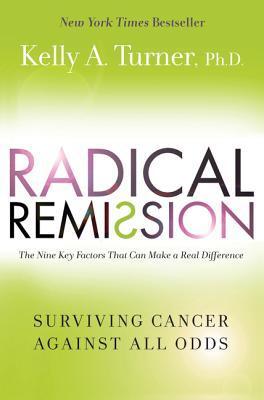
(Book Review) Radical Remission: The Nine Key Factors That Can Make a Real Difference: Surviving Cancer Against All Odds by Kelly A. Turner

Here is my 2-star review as posted on Goodreads, followed by some additional thoughts on how I related to the book personally.

This book was mentioned by a friend who was diagnosed with glioblastoma brain cancer. Facing a bleak prognosis, she refused to resign herself to fate and has committed herself to defying the odds. This is not the type of book I usually read, however, when faced with the possibility of imminent death, I can understand the desire to grasp at all possible sources of hope, and I was intrigued.

The premise is fascinating: there are real people whose medically diagnosed cancer disappeared with no known medical reason, so let's study them and try to figure out what happened. Where the book falls short, for me, is how the investigation does not actually look for scientifically supported reasons for recovery, but instead relies almost entirely on each person's opinion on what they think caused their cancer to go away.

First, if you are the kind of person who absolutely never believes in ghosts, don't even try to read this book. There are no ghosts here, but for this book to even be readable, you have to be open to the idea that something might possibly, could be real, even if it defies all reason and there's no scientific explanation. You don't have to buy into alternative medicine, or believe in the paranormal, to get something positive out of this book, but you do need to take everything with a grain of salt.

Now, I am 100% a believer in conventional medicine and science, so I read most of this book with an attitude of, "Wow, that's interesting, not sure I believe all the details, but how amazing that that person is still alive!" The author does not exactly advocate for alternative medicine, in fact, she stated unambiguously that "most people will need conventional medicine to outrun cancer." (p. 9) But right off the bat, in the book's introduction, it's clear that she believes in alternative medicine, since her husband is a traditional Chinese medicine practitioner and studied "an esoteric form of energy healing." (p. 5) When telling the stories of survivors, she gave validity to "[t]he notion that a cancerous tumor is simply a buildup of stuck energy," (p. 94) and she reported matter-of-factly on the various alternative therapies people used, like Reiki or other forms of "energy healing", without any commentary regarding the controversy surrounding those methods.

In fact, it's that lack of transparency that led me to rate this book 2 stars. One of the featured survivors is someone who credits Brazilian John of God for curing his brain tumor. It was a very compelling account, so of course I immediately Googled John of God. Turns out, he's a convicted sex offender! The allegations first surfaced in 2018, and this book was published in 2014, so the author is off the hook for that particular oversight, however, James Randi, known skeptic of paranormal claims, discredited John of God in 2005. I think the complete omission of any reference to documented efforts to expose him as a fraud is downright negligent and detracts from this book's credibility. The author only hinted that John of God may not be legitimate when she wrote that the power of John of God's healing center "could simply be the placebo effect; in other words, our sheer belief that something powerful happens at John of God's center could have caused us to have a deeper meditation experience." (p. 250)

Another thing I wasn't fond of was the author's decision to soften the outlandishness of John of God's healing methods by using carefully chosen words. Though many online articles refer to him succinctly as a "psychic surgeon", the author described John of God as having "the ability to leave his body and go into a trance, thereby allowing the spirit of a higher being to enter his body and perform energetic healing work." (p. 237)

Not all the stories were as off-beat as the one involving John of God, but many of them had alternative medicine elements. Ultimately, I felt conflicted by the personal stories included in each chapter. On the one hand, they were very inspiring and would certainly give hope to a cancer patient with a poor prognosis; on the other hand, all the alternative medicine therapies were beyond belief, if you ask me.

Despite all that, if you can disregard the parts that you find unbelievable, there are valuable insights in this book that would benefit any cancer patient, regardless of prognosis. The nine "key factors" that radical remission patients share all sound very reasonable:
  1. Radically Changing Your Diet
  2. Taking Control of Your Health
  3. Following Your Intuition
  4. Using Herbs and Supplements
  5. Releasing Suppressed Emotions
  6. Increasing Positive Emotions
  7. Embracing Social Support
  8. Deepening Your Spiritual Connection
  9. Having Strong Reasons for Living
Only two items are physically related to your body: changing your diet and taking supplements. While some diets and supplements may be more well-founded than others, at least the author periodically reminded readers to consult their doctors, e.g., "Remember, always speak to your doctor first in case your fast needs to be medically supervised." (p. 28)

If you're like me, you may be surprised that exercise is not on that list. Most health guides lead with diet and exercise, and throughout the book, I kept wondering why exercise was not singled out, especially since it was certainly mentioned in passing, e.g., "Thanks to a combination of yoga, hiking, and walking, [John] now feels like he's in the best shape of his life" (p. 39) and "[Jenny] also continued with the same daily exercise regimen she had created for herself years earlier." (p. 127) It wasn't until the very end of the book (p. 282) that the author revealed that exercise was not included as the 10th key factor because many patients were too weak to exercise when they first turned to alternative therapies, presumably either because of the cancer itself or due to side effects of having tried conventional treatment like chemotherapy. This explanation is fair, but I just wish she had said it up front at the beginning, so I didn't have to spend the entire book wondering why exercise was being glossed over.

The remaining items all fall under mental and emotional health, and even at face value it's easily conceivable that they each would have a positive effect on healing.

Every chapter concluded with actionable items that a person can do to put into practice the concepts outlined in that chapter. These suggestions were generally sensible and doable and essentially just useful advice for maintaining good mental health. In the end, it's these "Actions Steps" that made the book worth the read, in my opinion.


Some thoughts on my personal experience:

I was never given a terminal prognosis, so I can't speak to that situation. What I do know is, going through any cancer diagnosis and treatment is difficult, and I don't think anyone doubts that having good mental and emotional health - as supported by the book's "Action Steps" - is beneficial for the healing process.

I did not purposefully employ all the techniques offered in this book, but in retrospect, I think my experience did incorporate some aspects of many of the ideas.

For example, I didn't "radically change my diet", but I did eat more vegetables and less sugar, and I drank more water and less alcohol.

While "taking control of my health" did not mean turning to some kind of alternative therapy, I did do a lot of research on my own, and had strong ideas of what I thought my treatment should look like. I was relieved when the regimen proposed by my oncologist lined up with what I had already read.

I suppose listening to my body - being active when I had some energy, and allowing myself to rest when I felt tired, as advised by my physical therapist - would count as "following my intuition."

I didn't set out to "release suppressed emotions", but I did make a conscious effort to not hold a grudge against anyone who ghosted me during my cancer treatment. (Some people really don't know what to do or say, so they do and say nothing.) Relatedly, I absolutely did "embrace social support" and appreciated those who offered it.

I also did make a concerted effort to "increase positive emotions" by "purposefully making time every day to do something that brought [me] joy" (p. 172), whether it was watching a TV show I like or having a quiet cup of coffee in the sunshine in my backyard.

I won't go through every "key factor", but suffice to say, I did see pieces of my own experience reflected in this book. Were they active components of my recovery that contributed to my healing as much as surgery, chemotherapy, targeted therapy, and hormone therapy? Probably not as much as, but who knows, maybe they did play some role.

Sunday, December 15, 2019

(Book Review) Radical: The Science, Culture, and History of Breast Cancer in America by Kate Pickert

This new release is the most up-to-date book I've read about breast cancer. Because it is so current, I was both impressed with its presentation of new data and disappointed in its omission of relevant topics. I had a hard time rating this book. At times I was fascinated by what I read, and at other times I was bothered by what was not included. In the end I gave it 3 1/2 stars, but rounded down to 3 for Goodreads (since they don't allow 1/2 stars). 

This book intertwines the author's personal experiences with breast cancer with explorations of topics related to breast cancer.

There was a lot I liked about this book. Published just this year, it was up-to-date on modern advances and clinical trials. It picked up where Her2: The Making of Herceptin, a Revolutionary Treatment for Breast Cancer by Robert Bazell (published in 1998) and The Emperor of All Maladies: A Biography of Cancer by Siddhartha Mukherjee (published in 2010) left off. For example, the book goes beyond the success of Herceptin, and introduces Perjeta and Kadcyla, two more recently developed targeted therapies for HER2-positive breast cancer.

I appreciated that the author shed light on some of the more controversial and little known aspects of breast cancer. The very first chapter presented eye-opening information on the fact that mammograms underdetect some cancers and overdiagnose others, particularly in younger women. The second-to-last chapter focused on metastatic breast cancer and, in the absence of a cure, the need for more treatment options that could better extend the lives of metastatic patients.  

I found the chapter on the Susan G. Komen foundation particularly interesting, from the beginnings of the pink ribbon to the criticisms they've received and their efforts to re-brand themselves in recent years. The book as a whole provided a keen juxtaposition of the celebratory images of pink-washed breast cancer "survivors" against the harsh reality of painful surgery, debilitating cancer treatment, and marginalized metastatic patients who know they will not survive the disease.

I also really enjoyed the chapter on Taxol, a federal funding for scientific research success story. The author humanized the history of Taxol by telling its story through the people who discovered and helped develop the drug. As a breast cancer patient currently receiving chemotherapy with Taxol, I feel personally grateful for every individual who helped bring the drug to market.

All that said, I couldn't really bring myself to give this book a higher rating. Topics varied widely, and though the book was loosely organized along a chronology of the author's experience from diagnosis through treatment, the narrative seemed to jump disjointedly from one subject to the next.

Several times, the text mentioned "a subtype of breast cancer", but then failed to identify the particular subtype in context. I found this lack of detail frustrating, especially when the book, in other places, did describe subtypes (e.g., estrogen-receptor-positive, HER2-positive, etc.). Not providing such clarifications in all contexts just made those sections seem arbitrarily vague.

The biggest issue I had with the book was its lack of discussion on the choice to not reconstruct after mastectomy surgery. Considering the book's bold presentation of other controversial topics, I think it was a disservice to not fully explore the path of non-reconstruction, i.e., "going flat", with the same validity as reconstruction, especially since the author states that "[n]early 40 percent of women who have mastectomies opt to have plastic surgery" (p. 233), which means that a 60% majority of women do not reconstruct. The author discusses at length her decision-making process for various parts of her treatment, but she did not at all address how or why she chose to reconstruct; it was considered a given.

I was particularly bothered by the chapter on reconstruction being titled "Whole Again", implying that a woman who has a double mastectomy is not "whole" unless they undergo reconstruction. As someone who had a double mastectomy and chose to go flat, I can say with confidence that I feel whole. I wish the author had interviewed breast surgeons who are skilled in flat closure, and I wish she had included the accounts of women who chose to go flat and how they made their decisions, including women who first had reconstructive surgery and then later decided to explant. For a book that seemed tapped into current trends, it was a glaring omission to not at all mention the existence of the "flat movement", including organizations like Flat Closure NOW, which helps to spread awareness and shed light on issues experienced by women who choose to go flat.

To a lesser extent, I also wish the author hadn't shied away from controversy related to cold-capping. Given the book's emphasis on empowering women with knowledge to make their own decisions, I think the book should have mentioned the possible risks, small as they may be.

Overall, a lot of valuable information makes this book a worthwhile read. I understand the topics in the book were driven by the author's personal experiences, but I still wish additional perspectives could have been included, too.

Wednesday, November 13, 2019

(Book Review) Dear Friend: Letters of Encouragement, Humor, and Love for Women with Breast Cancer by Gina L. Mulligan

I received this book in the mail from a friend. It's the perfect gift to encourage and support someone living with breast cancer, especially if they are newly diagnosed or currently undergoing active treatment. It's not really a book in the traditional sense, so it was hard to rate, but I gave it 4 stars on Goodreads. 

A lovely collection of short letters to encourage and support women who have breast cancer. (Though men can and do get breast cancer, many of the letters assume the reader is a woman, as the book's subtitle indicates.)

A friend gave me this book when I was undergoing chemotherapy for breast cancer, and it was just what I needed to feel supported. It makes a perfect gift.

Most of the letters are written by women, some of whom are fellow survivors. There are a few letters here and there from men and children. I was impressed to find that letters from teenagers showed remarkable wisdom. In my reading, for every letter that did not quite resonate with me, there was at least one other that said exactly the words I needed to hear/read.

It's probably best not to read this book cover-to-cover in one sitting; instead, keep it nearby and pick it up whenever you need a little comfort.  

Overall extremely uplifting, but with a twinge of bittersweetness with the realization that complete strangers were able to provide more meaningful support than some of my own friends and family. Then again, these letters must have been carefully curated out of thousands to include only the most powerful and heartfelt words.

It's worth noting that all the letters in this book are printed as they were originally handwritten. I loved the beautiful pages of colorful stationery and doodles, and I enjoyed each letter-writer's unique penmanship. It occurs to me that maybe a younger generation of survivors might not appreciate the handwriting as much, since many schools no longer teach cursive.

Wednesday, October 16, 2019

(Book Review) Her-2: The Making of Herceptin, a Revolutionary Treatment for Breast Cancer by Robert Bazell

A made-for-TV movie called Living Proof came up in one of the Facebook support groups. Once I realized the movie was based on a book, I figured I'd read the book first. (Now that I've finished the book, I'm looking forward to getting the movie from our local library network!) Since I'm HER2-positive and currently on Herceptin, this book is personal, and I suspect my 5-star rating is a bit inflated. Here's the review I posted on Goodreads.

I first read about the dramatic story behind Herceptin in The Emperor of All Maladies: A Biography of Cancer, a sweeping biography of cancer that includes Herceptin as one of many major developments in cancer research. When I learned of a book that dives in deep and provides all the fascinating details of Herceptin's own biography, I jumped to read it.

This story has all the players you might expect, and more. There are academic researchers, oncologists, and biotechnology executives; insurance companies, government agencies, Hollywood philanthropists, and activists. There are missed opportunities, serendipitous encounters, and determined individuals with unrelenting perseverence.

The author, Robert Bazell, interweaves the story of Herceptin with stories of women with breast cancer who helped make the drug available by participating in clinical trials or by advocating for compassionate access before it was FDA-approved. Bazell provides important facts about cancer and cancer research alongside candid accounts of the reality of cancer treatment and recurrence. There is poignancy and meaning in each woman's story.

For me, this book is personal, so maybe my rating is inflated. I was diagnosed with a HER2-positive breast cancer and am currently receiving targeted therapy with Herceptin. I am keenly aware that if I had been diagnosed 25 years earlier, my prognosis would very likely have been much more grim. I am deeply indebted to every individual who believed that Herceptin would save lives, and who persisted despite obstacles and set-backs. I feel sincere gratitude towards each woman whose participation in a clinical trial helped bring the drug to market.

Finally, this book reaffirmed my belief that health care and pharmaceuticals should not be for-profit industries. I am horrified to think of how many potentially life-saving drugs aren't under development because corporate executives don't see a path to profit.

Sunday, September 22, 2019

(Book Review) Dr. Susan Love's Breast Book: Fully Updated and Revised 6th Edition by Susan M. Love

I received this book as a gift, and I only wish I had started reading it sooner. I think I'd give it 4 1/2 stars because of a couple observations noted at the end of my review, but Goodreads doesn't allow 1/2 stars, so I rounded up to 5 stars.

The first thing that struck me was the very first line of the Acknowledgments, in which Dr. Susan Love says that she revises this book every 5 years. From my own limited research, it's clear that the treatment of breast cancer has had major developments over the last few decades, and it's good to know this book stays abreast (haha) of new advancements.

The second thing that struck me was the very first line of the Introduction, in which Dr. Love notes that this sixth edition, published in 2015, will probably be the last revision. I hope this is not really the case, because this book is such a thorough, accessible, go-to reference for breast cancer. It would be a shame if future women don't have an up-to-date resource like this one! I hope that maybe someone else from the Dr. Susan Love Research Foundation will take over the book and ensure it's continued relevancy. (Maybe they figure everything should just be online these days...)

Dr. Love's writing style is colloquial, her descriptions and explanations are clear and easy to understand. A quote on the front cover touts this book as "the bible for women with breast cancer," and it really is. I think any woman who has been diagnosed with breast cancer should get their hands on this book as soon as possible and keep it close by for reference.

This isn't a book that needs to be read cover to cover; chapter titles are self-explanatory, and there is a complete index, so you can look up terms and topics and questions as they come up. (In fact, there are sections towards the end titled "How Long Do I Have?" and "End-of-Life Planning: Making Your Wishes Known" that I really hope I don't ever have to read.)

That said, this book isn't just for women who have already been diagnosed with breast cancer. Any woman who has started getting mammograms, or who has found a lump and is facing a possible diagnosis, should have this book, too. There are entire chapters on screening and diagnosis that I imagine would be very helpful if they are read even before being diagnosed, or while going through it.

In my personal experience, I wish I had this book for reference as soon as I felt a lump. My cousin gave me the book in the time between diagnosis and double mastectomy, but I admit I didn't read it right away, and that's on me. I should have read the sections on mastectomy and sentinel lymph node biopsy before my surgery. All the information is so straightforward and thorough; the book included everything that I had otherwise gathered from multiple web sites and online support groups, plus some. Moreover, my online research involved having to filter out random pieces of information that didn't apply to me, and it took a lot longer than if I had just read a few pages of this book instead.

I finally picked this book up about 3 weeks after my surgery, just before meeting with my medical oncologist. Once I saw how accessible the information was, I jumped ahead, searched the index, and read the pages about types of cancers and different kinds of treatment. Reading just these select pages helped me feel more prepared for my appointment. And as soon as my oncologist confirmed my treatment plan, including chemotherapy and hormone therapy, I went straight to relevant sections of the book.

I did notice that the book does not use some common terms, even when it does address the particular issue. For example, it mentions that after a mastectomy, "surrounding tissue under the arm may seem baggy and excessive and hang over your bra," (p. 475) but it doesn't use the term "dog ears", which is how the condition is referred to in online forums. It also describes "axillary web syndrome" (p. 348) as a side effect of lymph node surgery, but does not use the word "cording", and neither term is included in the index. As someone who happened to develop cording after surgery, an index reference to this topic would have been nice.

Additionally, not every drug is specifically mentioned. For example, in the section on gonadotropin-releasing hormone agonists, Zoladex (name brand for goserelin) is discussed, but not Lupron (name brand for leuprolide). Taxol (name brand for paclitaxel) is also not in the index. I understand that not every single drug can be covered, but as someone being prescribed these medicines, the omissions were noteworthy for me.

I do wonder if the book being published in 2015 has anything to do with the above two observations. Like maybe the terms "dog ears" and "cording" have only recently become more widely used? Or maybe Lupron and Taxol are less common these days? I don't know.

Because this book is more like a reference book, I have not read it in its entirety. I certainly plan to use it as needed moving forward.

Sunday, September 15, 2019

(Book Review) The Cancer Journals by Audre Lorde

Someone in one of the Facebook support groups recommended this book. I actually had a hard time finding a copy. It was listed on Amazon at exorbitant prices, and not in stock at Barnes & Noble. The entire library consortium to which our local library belongs had only 1 copy, with a short hold queue. I finally found it available at the University at Buffalo Bookstore, because it's taught in one of their classes. I gave it 4 stars on Goodreads and posted the following review.

The actual book is a very brief 79 pages. The special edition additionally includes 20 pages of photos and posthumous tributes to Audre Lorde, who died of liver cancer in 1992. I am reviewing only the content written by Audre Lorde; I admit I did not read all the tributes that followed.

Audre Lorde was a black lesbian feminist poet. Her writing is at times poetic or edgy. It's important to keep in mind that this book was written in 1978, and the landscape of breast cancer detection, treatment, and prognosis has changed significantly since then; genetics as a factor in the occurrence of breast cancer was not yet known at the time. She advocated for going flat after a mastectomy, and was against wearing prostheses. She was sometimes skeptical of the medical establishment, and she supported exploring alternative therapies.

The book started out non-linearly. On page 26, Audre Lorde began to tell her story narratively.

One speech reprinted in this book was given after Audre Lorde had surgery for what ultimately turned out to be a benign growth, before she was diagnosed with breast cancer and had to undergo a mastectomy. Her speaking at this point in time is powerful. Many women experience the fear of breast cancer, and are thankfully spared. Their experiences and voices are valid in conversations about breast cancer. For every woman with breast cancer, the path began with that fear of suddenly becoming "forcibly and essentially aware of [your own] mortality" (p. 17), and a hope to be spared.

I don't think I would automatically recommend this book for anyone diagnosed with breast cancer and undergoing a mastectomy, but it's certainly worth a read if you have been diagnosed and are working through emotions, or are considering going flat. Reconstruction was still a relatively new post-mastectomy procedure back in 1978, but it's no surprise (given her feelings on prostheses) that she referred to it as an "atrocity". (p. 70) If you've already decided to go flat, this book can be a strong affirmation of your decision.

This book was a very personal read for me, so the rest of this space I will use to identify quotes that were especially meaningful to me, and why.
"These selected journal entries... exemplify the process of integrating this crisis [of breast cancer and mastectomy] into my life." (p. 8)
Having cancer is not a "phase". It's not something you "get over" or "put behind you". Being diagnosed with breast cancer and undergoing a mastectomy changes you forever. The non-existence of your breasts is a constant, daily reminder. There's always a chance the cancer will return, and you live with that "background noise of fear" (p. 12) and anxiety for the rest of your life.
"...[W]hat is most important to me must be spoken...the speaking profits me, beyond any other effect." (p. 17)
Well, I'm glad Audre Lorde spoke, because her speaking profited me, too. As a woman with breast cancer recovering from a double mastectomy without reconstruction and having a whole lot to process, reading this book assured me that I am not alone. So much of what she wrote - about fear, mortality, self-identity, pain (both physical and emotional), even the feeling of support when showered with the care and concern of others - resonated with me personally, even as the details of her experiences differed from mine.
"Once I accept the existence of dying, as a life process, who can ever have power over me again?" (p. 24)
Variations of this sentiment were repeated a few times throughout the book. Being diagnosed with cancer means being forced to face your mortality. It's just a really powerful idea that once you face the very real possibility of death, everything else is put into perspective.
"I am a post-mastectomy woman who believes our feelings need voice in order to be recognized, respected, and of use." (p. 7)
"I am also writing to...[set] down my artifacts, not only for later scrutiny, but also to be free of them. I do not wish to be free from their effect... but free from having to carry them around in a reserve part of my brain." (p. 54)
These words echoed my own feelings of why I decided to keep a blog about my breast cancer experience. The "of use" part is why I made my blog public; I hope my experiences can help support and reassure another woman in her time of uncertainty, anxiety, and fear.
"[The] socially sanctioned prosthesis is merely another way of keeping women with breast cancer silent and separate from each other." (p. 14)
"Prosthesis offers the empty comfort of 'Nobody will know the difference.' But it is that very difference which I wish to affirm, because I have lived it, and survived it, and wish to share that strength with other women... [W]omen with mastectomies must become visible to each other." (p. 62)
1 in 8 women will eventually be diagnosed with breast cancer, but you wouldn't know that by looking around you. There is a whole sisterhood of potential support for one another, but we don't know who has borne the burden of breast cancer because we try to hide the evidence of having been through it. I get it. Social norms are hard to go against. Women are "supposed" to have breasts. But what if we could recognize our warrior sisters on sight? I think it would be empowering. Of course it's a very personal decision whether or not to get reconstruction, and if not, then whether or not to wear prostheses. I have chosen no reconstruction, and I'm not sure yet where I'll end up regarding prostheses, but certainly this book has inspired me to more boldly embrace being flat, and has reassured me of the power and peace of not wearing prostheses.

I think it's worth noting that while Audre Lorde doesn't spend a lot of time reassuring women who do choose to wear prostheses, she does say that prostheses "can still serve a real function for the woman who is free enough to choose when and why she wears one or not." (p. 68) She was not completely against prostheses; what bothered her was how much immediately wearing a prosthesis was considered the normal, default thing to do, and how it was a way for women to reclaim their "old selves" before even allowing them the time and space and opportunity to get to know and love their new selves, sans breast.

Wednesday, August 21, 2019

(Book Review) The Emperor of All Maladies: A Biography of Cancer by Siddhartha Mukherjee

After I was diagnosed, I felt an odd compulsion to read this book, which had sat unread on our bookshelf for years. I think I saw it as a kind of opposition research. Anyway, it was worth the read. I gave it 5 stars on Goodreads and posted the following review.

This book is impressively approachable. I found the author's writing exceptionally concise and engaging, though admittedly I got a bit muddled in trying to understand the DNA research towards the end.

It's a sweeping account chronicling everything related to cancer from causes and prevention to detection and treatment, from laboratory scientists making discoveries to physician researchers running clinical trials to the individual patients facing down cancer with bravery and dignity.

As the author lays out the history of cancer, there are incredible stories of pathologists and chemists and physician-scientists whose individual contributions came together over many decades to eventually result in the discovery of a new cancer or a new chemical to treat cancer. It was nothing short of fascinating to follow the history of chemotherapy through textile dyes and mustard gas. Ideas changed and developed and were tied back to concepts first proposed centuries earlier.

Much of the history of cancer research has taken place in Boston, and growing up in this area, it was particularly enlightening for me to learn about the stories behind well-known institutions and individuals like the Dana-Farber Cancer Institute, the Jimmy Fund, and Vannevar Bush. (As a student at MIT, I walked by a room named for him almost every day, and attended events in the room, but never had any idea who he was.) I even learned that a nearby town, Framingham, is the site of a massive epidemiological study that has led to a number of medical findings.

Remarkably - and this is altogether beside the point of the book - I could not help but take note, especially in today's political climate, how a great many of the researchers in the U.S. who made strides in the fight against cancer were immigrants or from immigrant families. I also saw parallels between the tobacco industry's refusal to acknowledge the dangers of cigarette smoking and the present-day gun industry's refusal to acknowledge the dangers of gun violence. If Big Tobacco, "an industry once thought virtually impregnable," (p. 267) could eventually be well-regulated, then maybe there is hope that the gun industry could one day be well-regulated, too.

On a personal note, this book was a gift to my husband (a teacher) from a student who wanted to share the book that had an outsized impact on him, inspiring him to want to become a doctor. The book sat on our shelf for years, and I didn't pick it up until I was diagnosed with breast cancer myself. Suddenly, I felt drawn to the book, and reading it felt like a kind of opposition research. While the book discusses many different cancers from leukemia to breast cancer to prostate cancer, a good portion of the history of cancer centers on breast cancer. I repeatedly felt that much of the information was directly relevant to me. I certainly now have a better understanding of how surgery, radiation, chemotherapy, and hormone therapy are all tools in an oncologist's toolbox, but figuring out which tool will work, and how exactly to use it, is highly dependent on the specific stage and type of cancer being treated.

What is clear from this book is that I am thankful for - indeed I feel deeply indebted to - every person ever drawn to study, treat, and attempt to cure cancer, every patient whose diagnosis, illness, treatment, and death helped to further the understanding of cancer and push the community towards a cure. Poignancy abounds in the history of cancer. Scientists who discovered the healing properties of radiation, only to succumb themselves to radiation-induced cancer. Patients who made up the statistics that drove the research towards a cure, but who were all individual persons with families and interests and full lives they weren't ready to leave.

It's been a very long, arduous, terrifying fight. The descriptions of the earliest mastectomies are horrifying, and I feel immensely grateful for being lucky enough to be diagnosed in 2019, when anesthesia, sterilization, and pain killers are customary parts of the procedure. Particularly astonishing to me was the realization that much of my treatment as a cancer patient is heavily reliant on discoveries and advances in cancer medicine that took place relatively recently, over the course of my own lifetime.

I would not go so far as to recommend this book to cancer patients. I might be a weirdo in the extent to which I am curious about what I am up against. But it's definitely a book worth reading for anyone who wants to know more about cancer, for whatever reason.